Customer identity and record access
Define verification rules before retrieving private order information. Keep public product questions separate from account-specific requests.

Connect customer enquiries with permitted order, warehouse and dispatch records so support can explain status, investigate gaps and hand complex cases to a person.
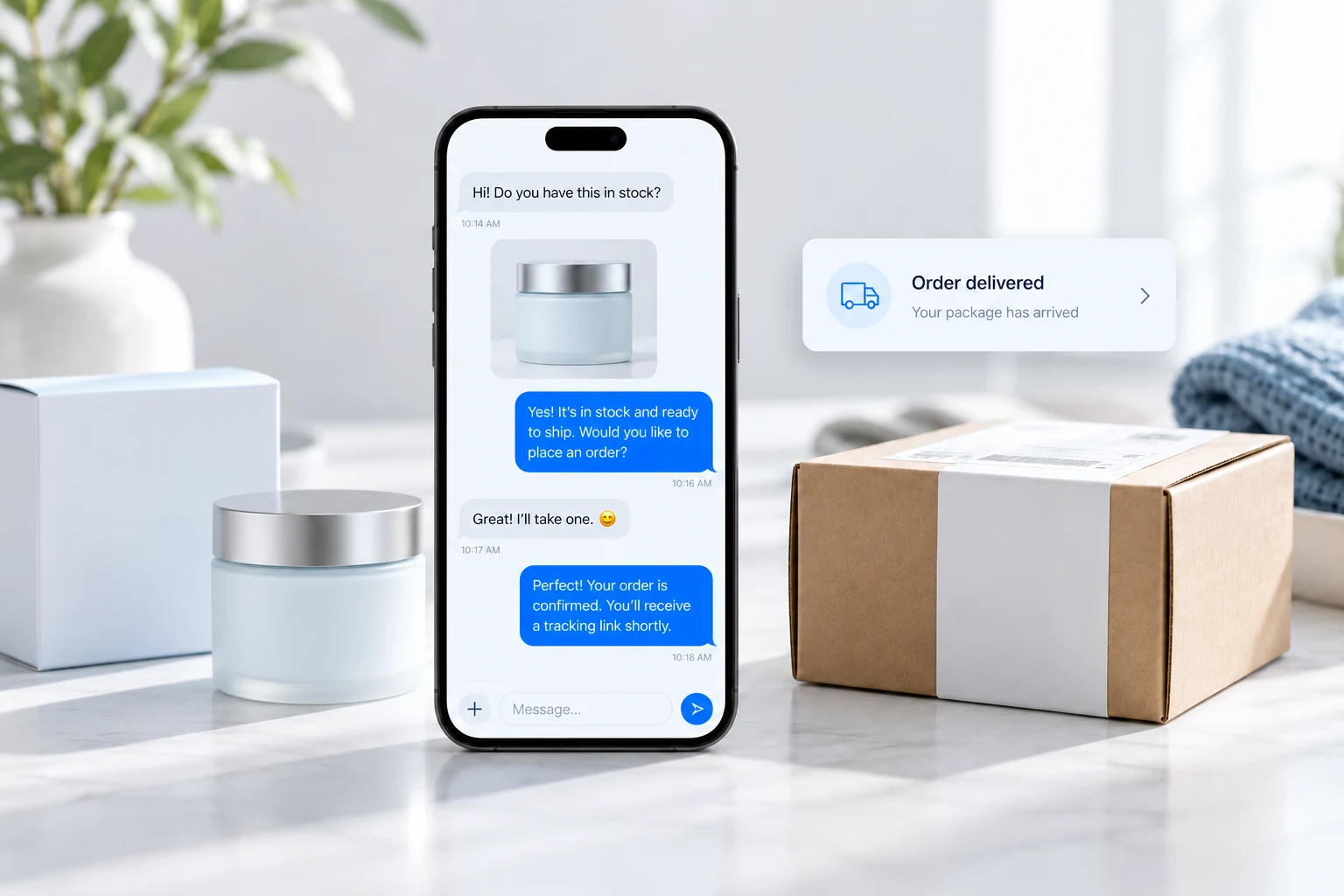
This solution focuses on the order enquiry itself: identify the customer, find the relevant record and explain what the evidence supports. It complements our wider AI Customer Support service, which covers channel connections and approved knowledge. An assistant should not turn a warehouse entry into an unsupported delivery promise or expose another customer's order because a reference is easy to guess.
Define verification rules before retrieving private order information. Keep public product questions separate from account-specific requests.
Map the statuses available in each source and their update times. Distinguish packed, dispatched, collected and delivered according to the agreed system records.
Explain the latest supported status and identify gaps. Use approved language for uncertainty and route missing evidence to the team responsible for the next investigation.
Pass the question, verification state, records checked and unresolved action to the support team. Define who owns the case after escalation.
The warehouse has recorded dispatch but no carrier collection event is available. The assistant explains the available information and prepares a follow-up for dispatch rather than claiming the parcel is already travelling.
An order-status workflow can remain read-only. Cancellations, refunds and other changes require separate scope, interfaces and approval rules. Looking up an order does not automatically grant authority to modify it.
Not sure this is the right starting point? Use the solution finder or browse all solutions.
Tell us about your workflow, the systems you use and the problem you want to solve.