Transaction matching
Map receipts, settlements and ledger identifiers. Distinguish exact matches from grouped or tolerance-based proposals and preserve the source records used.

Connect finance records into reviewable workflows for transaction matching, reconciliation exceptions and duplicate-invoice investigation, with authorised decisions kept explicit.
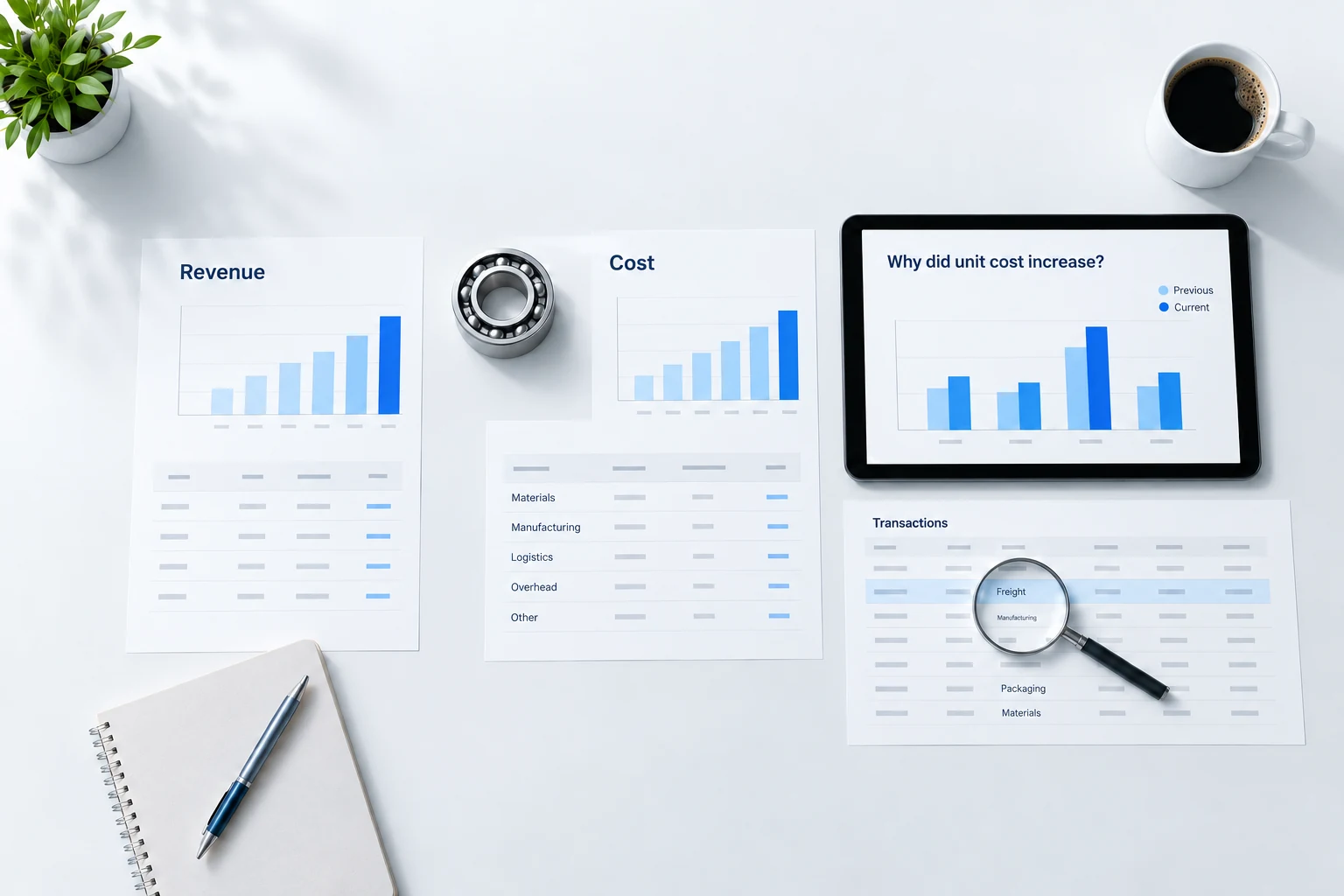
Finance automation should make the reasoning behind an exception easier to inspect. We scope workflows around approved records and the people responsible for accounting decisions. This department-level solution connects reconciliation with other finance checks; the dedicated reconciliation page describes bank and payment matching in more detail.
Map receipts, settlements and ledger identifiers. Distinguish exact matches from grouped or tolerance-based proposals and preserve the source records used.
Organise fees, timing differences, refunds and unresolved amounts into an owned review queue. Link each proposed result to its supporting evidence.
Compare approved invoice identifiers, supplier details and available amounts or dates. Treat similar records as review candidates rather than automatically deleting or rejecting them.
Record who reviewed which proposal. Separate investigation from payment release or posting authority, and verify any permitted write-back before retrying an uncertain operation.
Two invoices share a supplier and similar amounts but use different references. The workflow assembles the records and explains the similarity for accounts-payable review. It leaves the final duplicate decision with the authorised owner.
The workflow follows the agreed policy. Accounting adjustments, payment release and disputed invoices can require an authorised reviewer. AI suggestions do not establish the accounting treatment or silently expand a user's authority.
Not sure this is the right starting point? Use the solution finder or browse all solutions.
Tell us about your workflow, the systems you use and the problem you want to solve.